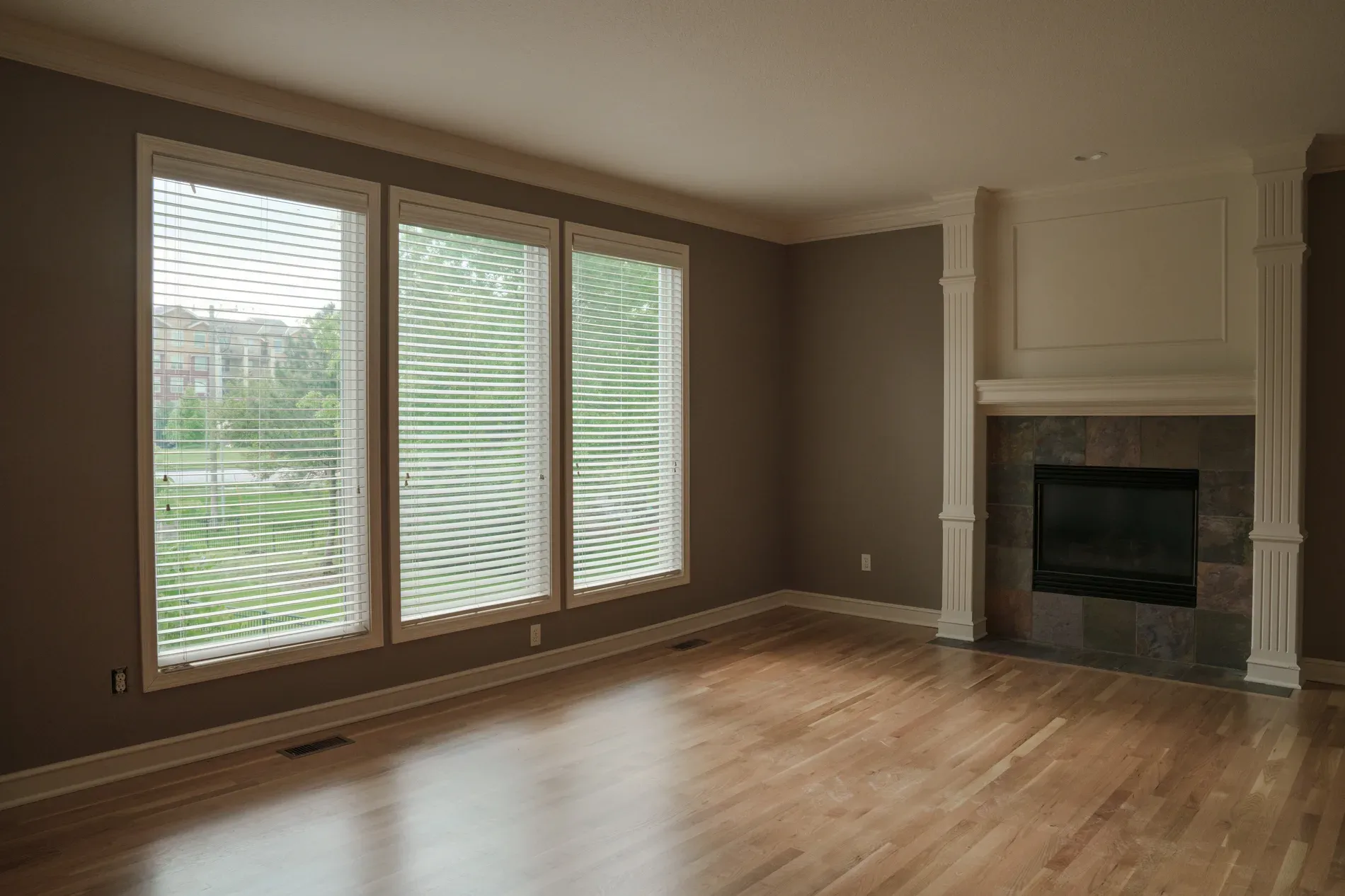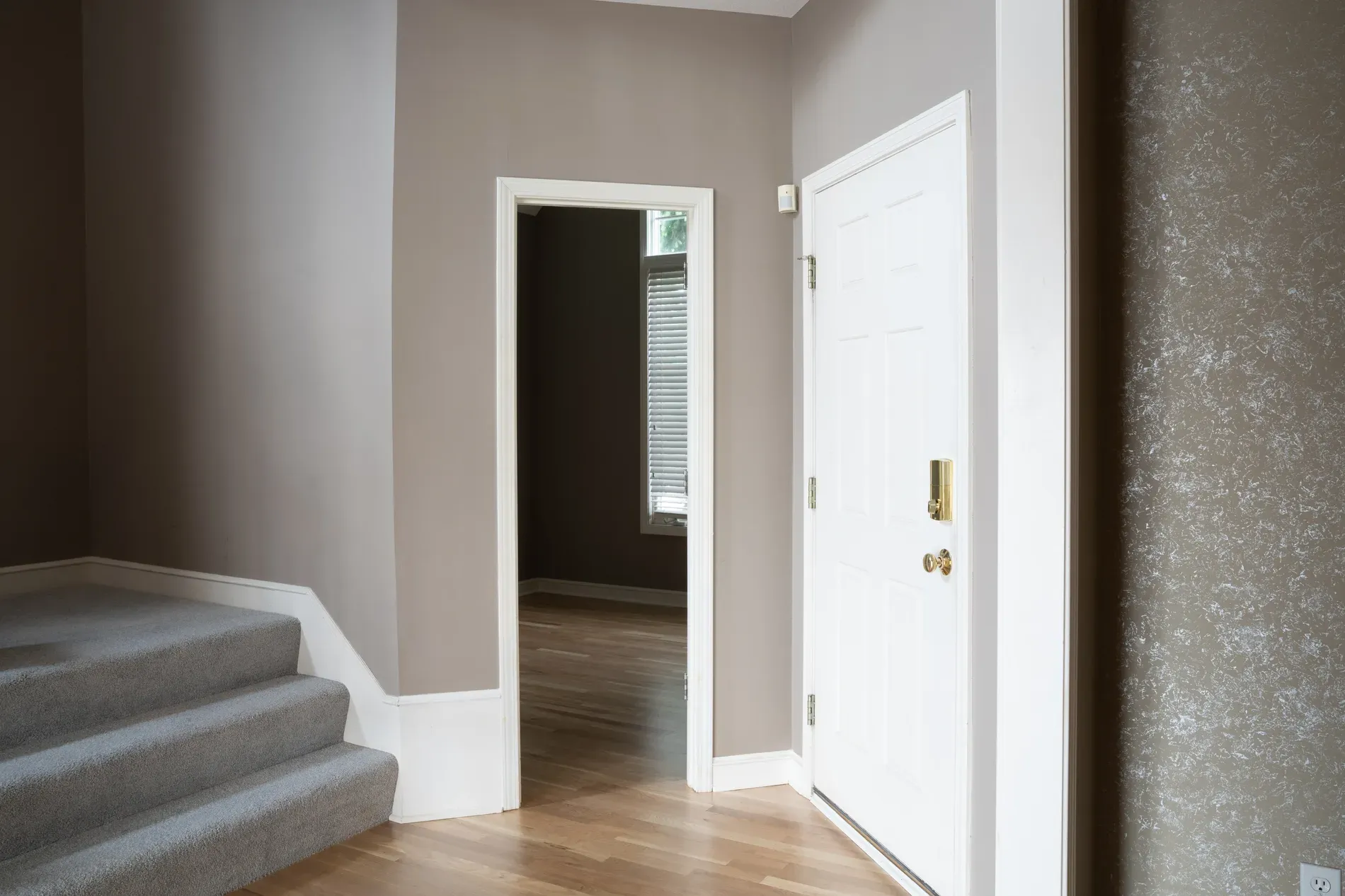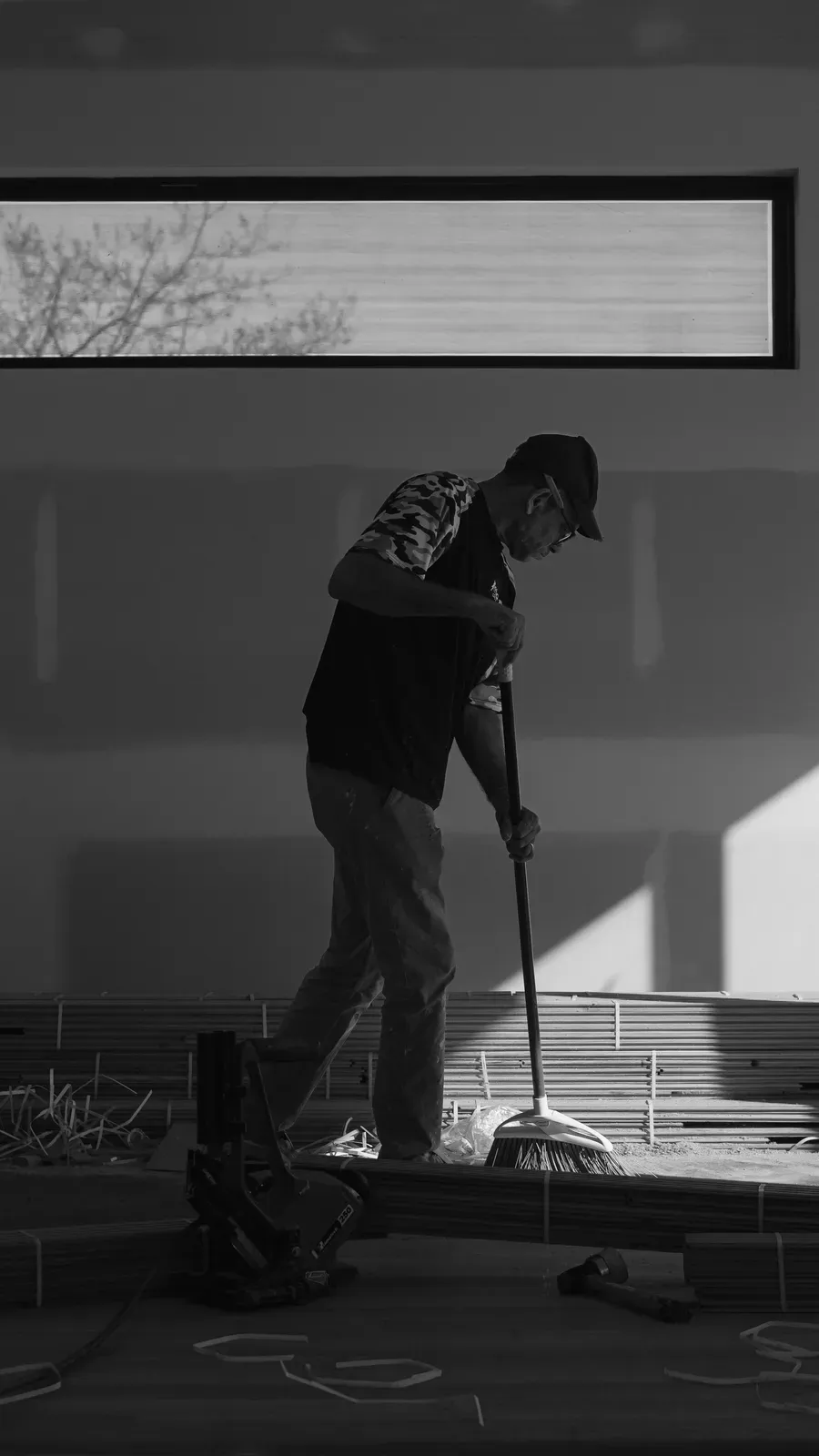
Most of the floors we install in Kansas City are oak, and most people are happy with oak. Hickory is what people ask about when oak feels too ordinary, or when they have big dogs, kids and a back door that opens straight onto the yard. It is a great floor for the right house. It also has a few habits that surprise people who chose it from a photo.
Here is what hickory flooring is actually like to live with, install and refinish in Kansas City.
How Hard Is Hickory?
Wood hardness is usually compared on the Janka scale. Hickory sits around 1820, against roughly 1290 for red oak and 1360 for white oak. That puts it at the top of the common domestic hardwoods, and in daily life it means fewer dents from dropped pans, dog claws and chair legs.
Two things to keep in mind. Hardness resists dents in the wood. Scratches mostly happen in the finish, which is the same on any species, so a hickory floor still scratches. What hickory does better than almost anything is hide those scratches, which brings us to color. Our guide to dogs and hardwood floors goes further into what actually prevents marks.
The Color Is the Point
Hickory's sapwood is pale, close to cream, and its heartwood runs tan to deep brown. Most hickory flooring mixes both, often in the same board, so a finished floor jumps from blond to brown every few feet. Add mineral streaks, small knots and a strong grain and you have a floor with a lot going on.
People either love that or find it busy, and it is worth deciding before you buy. Look at a full box laid out, not one board or a sample chip. A few points from experience:
- Grade changes everything. Hickory is sold in grades from cleaner, more uniform boards to character and rustic grades with more knots and color. The same species can look calm or wild depending on grade.
- Racking matters. Before nailing, boards are laid out so the light and dark ones are spread across the room rather than clumped. On hickory this matters more than on any other floor.
- Big rooms handle it better. The variation reads as texture across an open great room and can feel crowded in a small bedroom or hall.
Hickory and Pecan
Pecan is in the same botanical family as hickory, and flooring is often sold as hickory, pecan, or a hickory and pecan mix. They look and behave much alike. If you are matching an existing floor, find out which you have, but for a new floor it is mostly a question of what a given mill sells.
Hickory Moves More Than Oak
This is the part people do not hear in the showroom. Hickory shrinks and swells more than oak as humidity changes. In Kansas City, where summers are humid and furnaces dry houses out every winter, that movement shows up as wider winter gaps than you might see on oak, and more risk of cupping if the floor gets damp.
It is manageable with good practice:
- Acclimate and measure. The flooring sits in the house and its moisture content is checked against the subfloor before installation starts, rather than just being left for a set number of days.
- Narrower or engineered for tough spots. Wide solid hickory planks move the most. Narrower solid boards, or engineered hickory with a stable core, are the safer choice for wide planks or a slab. Solid or engineered covers that decision.
- Hold the humidity steady. A humidifier in winter and air conditioning in summer do more for a hickory floor than anything else. Why gaps open every winter explains what range to aim for.
Staining Hickory
Hickory is dense, and dense wood takes stain unevenly. On top of that, stain soaks into the pale sapwood and the darker heartwood differently, which usually increases the contrast rather than smoothing it out. A dark stain on hickory rarely looks like a dark stain on oak.
That is why most hickory floors are left natural, or given a light, warm tone that settles the color without fighting it. If you want a dark floor, oak or walnut will get you there more predictably. If you do want to stain hickory, test on your own boards first. The staining guide covers how samples are done.
Prefinished or Site-Finished?
Much of the hickory sold today is prefinished, often engineered, wide plank and sometimes scraped or wire brushed for a rustic surface. A textured hickory floor hides wear about as well as any floor can. Solid unfinished hickory, sanded and finished in the house, gives a flat, smooth surface and your choice of finish and sheen. Both are good floors, and prefinished or site-finished lays out the trade-offs.
Refinishing a Hickory Floor
The hardness that makes hickory resist dents also makes it slower to sand. It takes more passes and more paper to get an even surface, and any sanding marks left behind are harder to hide on a floor with this much contrast. A good refinish on hickory is careful work, and a screen and recoat before the finish wears through is worth even more on hickory than on oak because it puts off that sanding.
Prefinished hickory with a scraped or brushed texture is a different case. Sanding removes the texture, so those floors are usually maintained with recoats and board replacement rather than full refinishing.
Where Hickory Makes Sense
Hickory is at its best in busy, open main floors, kitchens, mudrooms and family rooms, in homes with dogs and kids, and in lake houses and rustic interiors where its character fits the setting. It is less suited to formal rooms where a calmer floor sets a quieter tone, and to houses with a lot of existing oak where you want new floors to blend in.
Our hickory floors page covers the species at a glance, and choosing hardwood flooring compares it with oak and walnut side by side.
Getting It Installed
We install hickory across the metro, including hardwood floor installation in Kansas City, Lee's Summit and Olathe, and our installation service covers how the work runs. Get a free estimate and bring the sample you are looking at. We will tell you straight whether it suits your house and how it will behave through a Kansas City winter.
Get a Free Estimate
Have a floor you want looked at? We give honest, no-pressure estimates across the Kansas City metro.